
Research and Development
Advancing Research and Exploring New Possibilities
At Growing Beyond Barriers, we are committed to exploring emerging treatments that may improve the lives of children and families. We believe promising medical advancements deserve continued research and careful evaluation. Our goal is to partner with leading medical professionals, researchers, and specialists to further study innovative treatments.
Through these partnerships, we hope to better understand the potential benefits, safety, and long-term outcomes of emerging therapies while supporting research that could lead to more effective treatment options in the future.
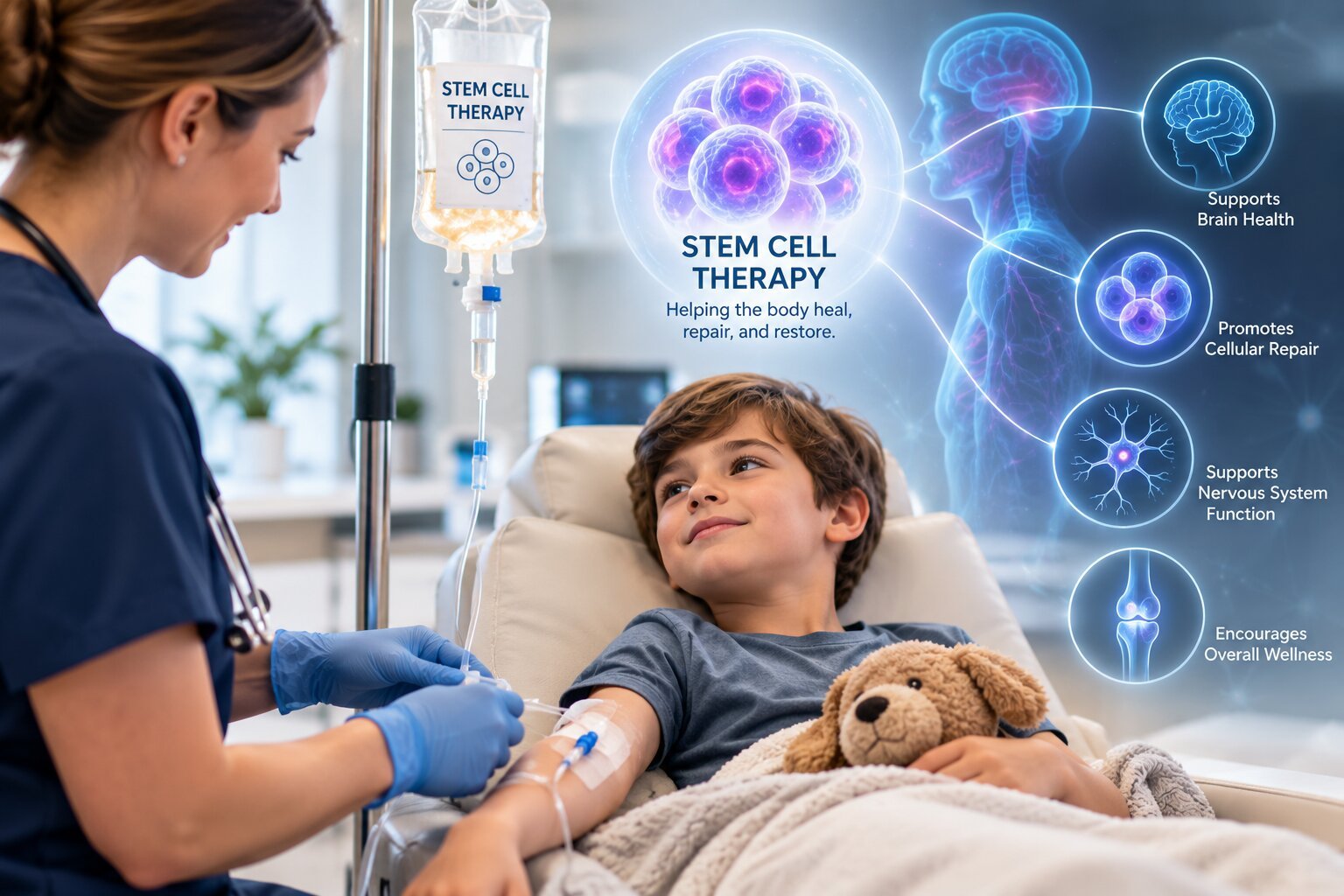
Stem Cell Therapy
2017 Clinical Research Results
A 2017 Duke University clinical study involving 25 children with autism, ages 2–5, evaluated the safety and potential benefits of umbilical cord blood infusions.
Key Findings:
- More than two-thirds of participating children showed improvements in at least one measure of autism-related symptoms.
- Researchers observed improvements in communication, social interaction, and behavior in some participants.
- The treatment was generally well tolerated during the study.
Research Conclusion: The study reported encouraging preliminary findings, suggesting that umbilical cord blood therapy warrants further investigation. However, because the study did not include a placebo group, the improvements cannot be attributed conclusively to the treatment.
Source: Dawson et al. (2017), Autologous Cord Blood Infusions Are Safe and Feasible in Young Children With Autism Spectrum Disorder: Results of a Single-Center Phase I Open-Label Trial. Stem Cells Translational Medicine, 6(5):1332–1339.
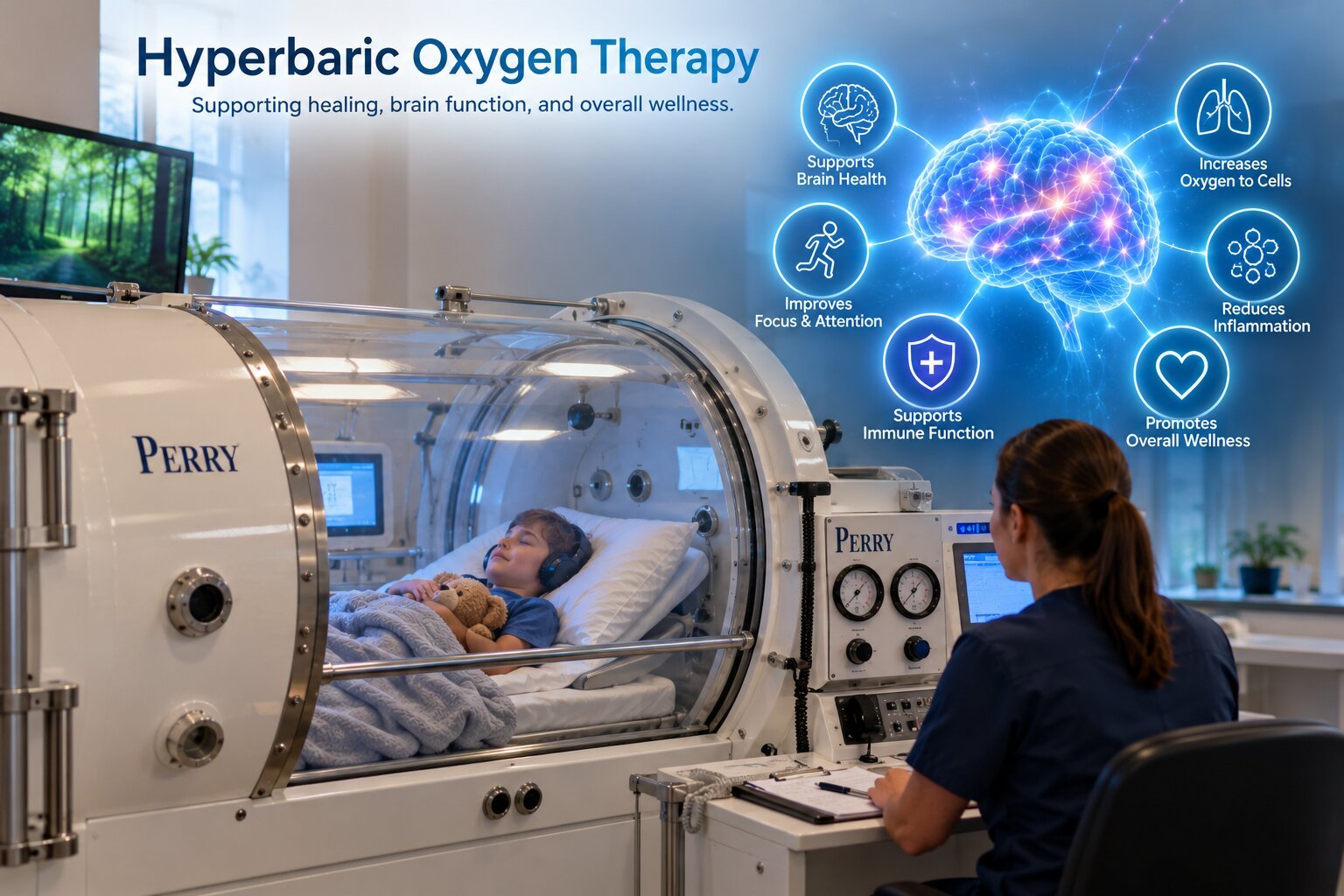
Hyperbaric Oxygen Therapy (HBOT)
Clinical Research Results
A 2009 clinical trial involving 62 children with autism evaluated the effects of 40 hyperbaric oxygen therapy sessions.
Key Findings:
- 80% of children receiving hyperbaric oxygen therapy showed overall improvement, compared to 38% in the control group.
- 30% of children receiving treatment were rated as much or very much improved, compared to 8% in the control group.
- Researchers also reported improvements in receptive language, social interaction, and eye contact.
Research Conclusion: Although the study reported encouraging results, additional clinical research is needed to confirm the effectiveness of hyperbaric oxygen therapy for autism.
Source: Rossignol et al. (2009), Hyperbaric Treatment for Children with Autism: A Multicenter, Randomized, Double-Blind, Controlled Trial. BMC Pediatrics, 9:21.
Our Ongoing Review Process
Growing Beyond Barriers is committed to following the evidence. As clinical research evolves, we may revisit our position on any treatment, in either direction. We will:
- Monitor peer-reviewed literature on all treatments families ask about
- Consult with qualified medical and scientific advisors
- Update this page when our position changes
- Never fund treatments that carry meaningful risk without compelling, peer-reviewed evidence of benefit
- Always recommend that families discuss any treatment with their child's physician